THE TERROIR

The terroir of Champagne is unique, with geographical and climatic characteristics that profoundly influence the quality and taste of champagne. Discover how the soil, climate, and topography of this region contribute to the production of this exceptional sparkling wine.

The Influence of Seasons on Vineyards
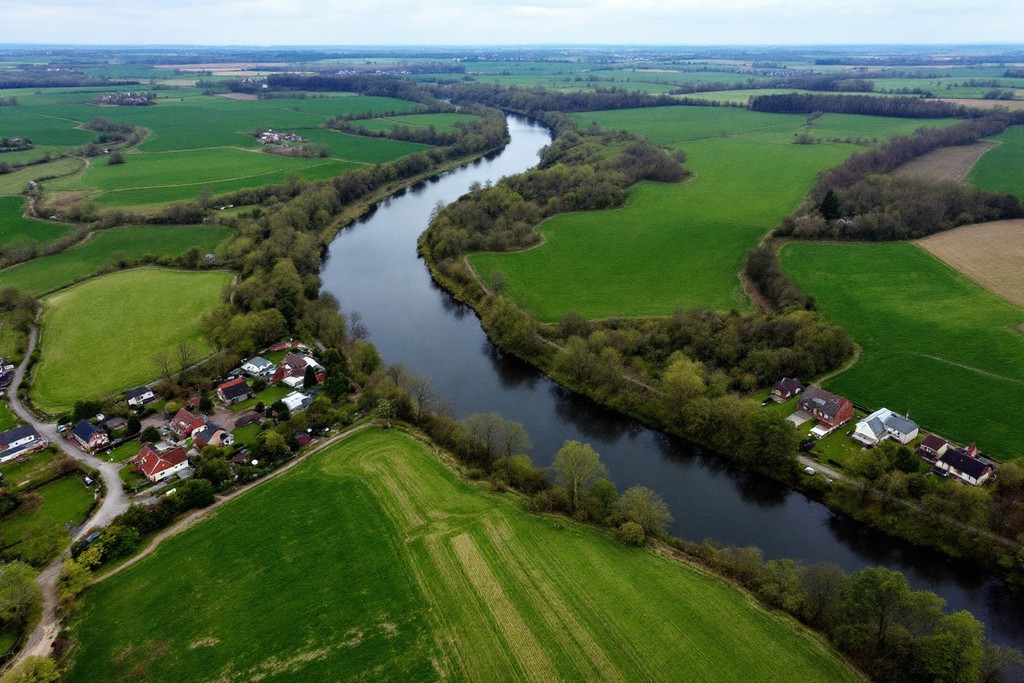
The seasons influence every stage of the vine's cycle, from budding in spring to dormancy in winter. Winegrowers adapt their practices according to climatic variations to optimize the quality of grapes and wine. Each season offers unique challenges and opportunities, crucial for viticulture.
Soils and Flavors of Champagne
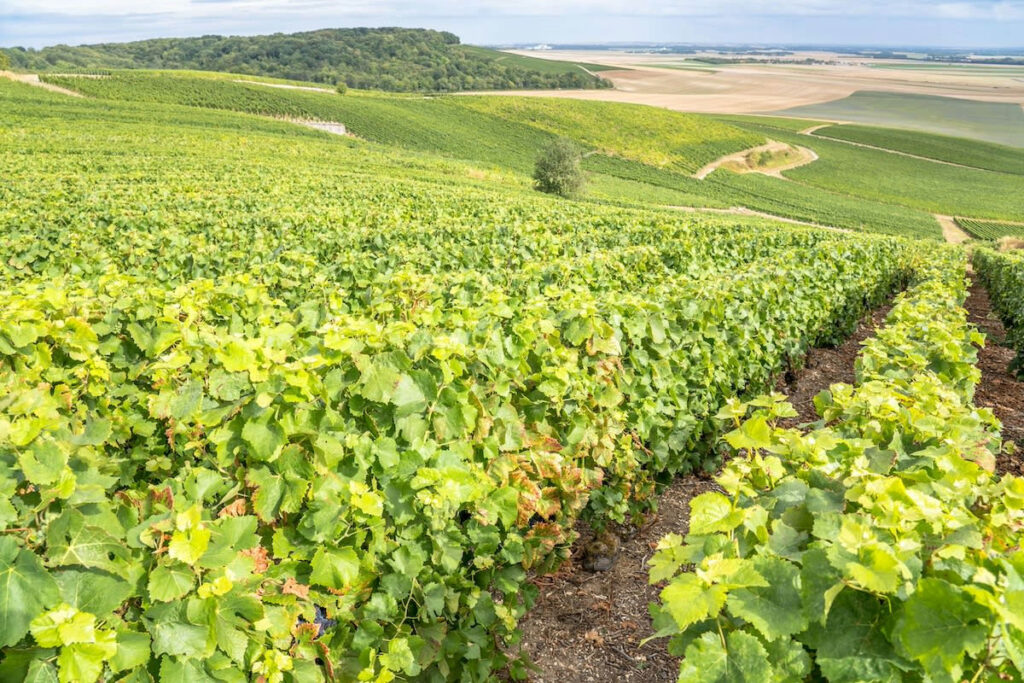
The diversity of soils in Champagne directly influences the aromas and texture of its wines. Limestone, clay, and sand each contribute distinct characteristics to champagnes. This geological richness allows for the production of wines with varied sensory profiles.
The Diversity of Soils in Champagne and Its Impact on the Character of Wine
The Champagne region has a geological diversity that directly influences the characteristics of the wines produced. The varied soil types such as chalk, marl, and limestone interact differently with the grape varieties of Pinot Noir, Pinot Meunier, and Chardonnay. Scientific research deepens the understanding of these interactions, helping winemakers optimize their practices and wine enthusiasts appreciate the richness of Champagne wines.
The Impact of Terroir on Champagne Aging
Vertical tastings allow exploration of champagne's evolution through different vintages, revealing the diversity brought by the terroir. Champagne aging enriches its aromas and textures, offering a more complex tasting experience. Enthusiasts can incorporate this practice to better understand the transformations of champagne.
Geographic delimitation of the Champagne region
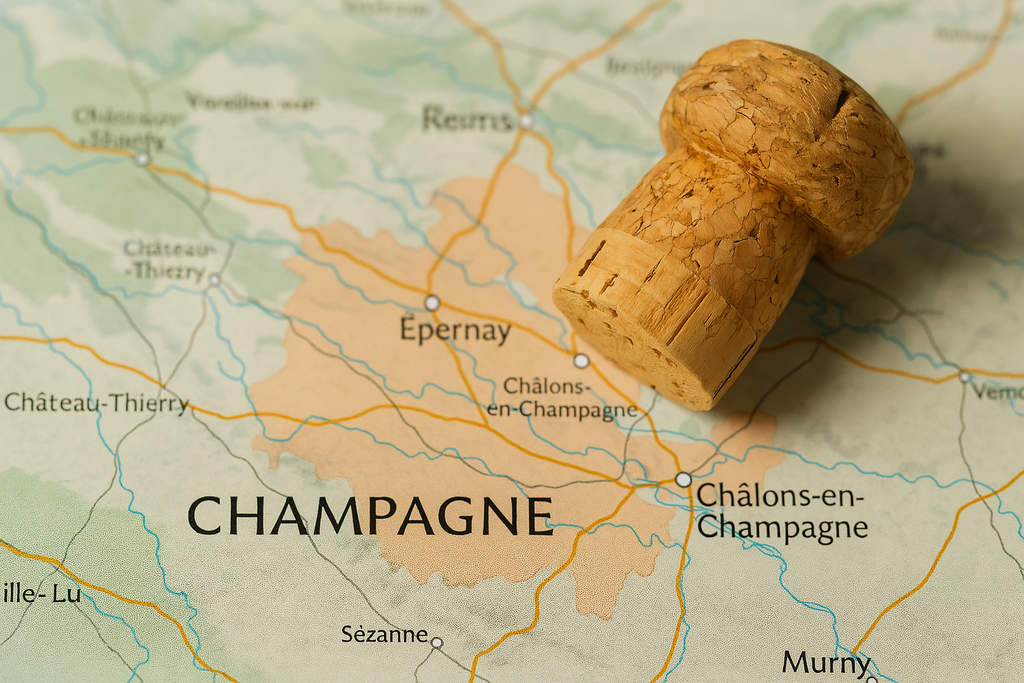
The Champagne region, renowned for its sparkling wines, has geographical boundaries defined by rigorous historical, geological, and climatic criteria. This delimitation directly influences the quality and production of the wines, ensuring a prestigious controlled designation of origin. Protecting this designation is crucial to preserving the authenticity and global reputation of champagne.
Ecological Balance of Vineyards
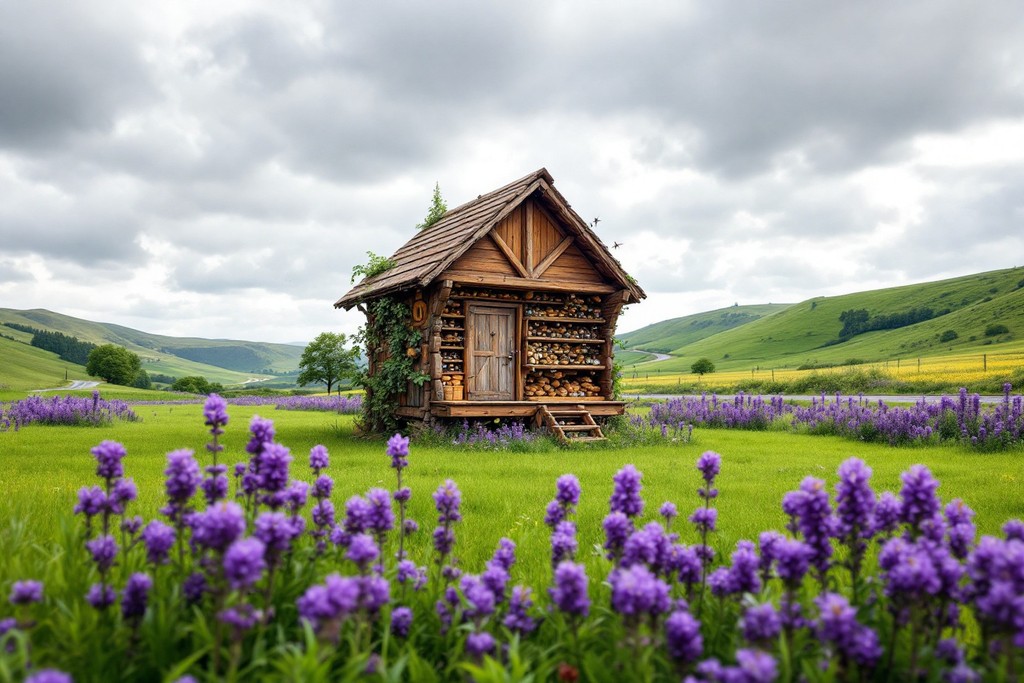
Biodiversity plays a crucial role in the resilience and sustainability of vineyards. Interactions between native plants, insects, and wildlife contribute to a balanced and robust ecosystem. Sustainable viticultural practices promote the conservation of local fauna and flora and improve the quality of the wines produced.
The Influence of Terroir on the Taste and Texture of Champagnes
The Champagne region is famous for its unique terroir which deeply influences its sparkling wines. The soils, climate, and winemakers' expertise play a crucial role in the quality of champagnes. Tasting allows one to perceive the nuances of the terroir in every flute.
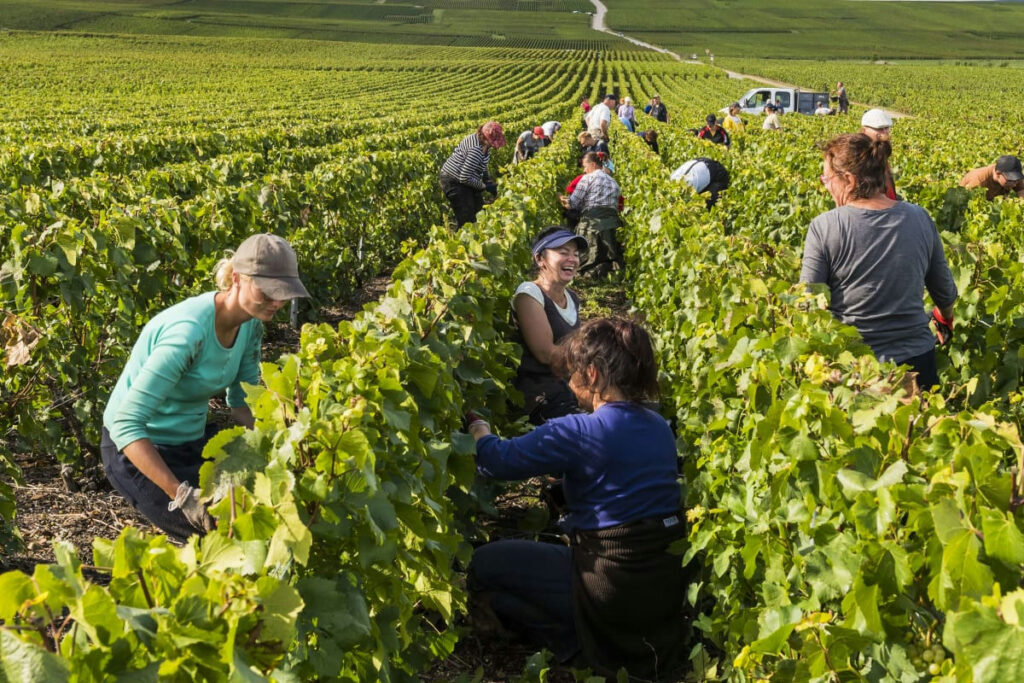
Diving into the Heart of the Harvest in Champagne
The history of the harvest in Champagne is marked by a rich tradition and technical innovations. The different phases of the harvest process, associated traditions, and contemporary challenges illustrate the evolution and adaptation of viticultural practices. Modern techniques enhance and optimize these age-old methods for exceptional wine quality.