THE CHAMPENOISE METHOD

The Champenoise method, or traditional method, is a complex and meticulous process that sets champagne apart from other sparkling wines. Learn about the key steps, from bottle fermentation to aging, that give champagne its finesse and elegant bubbles.

The Sparkling Secrets of the Méthode Champenoise
The méthode champenoise, also known as the traditional method, is a historic winemaking technique dating back to the 17th century. The selection of grape varieties, manual harvesting, and preliminary winemaking stages contribute to the unique character of Champagne. The second fermentation in the bottle and the final disgorging ensure the delicate bubbles and refined taste profile of this prestigious wine.
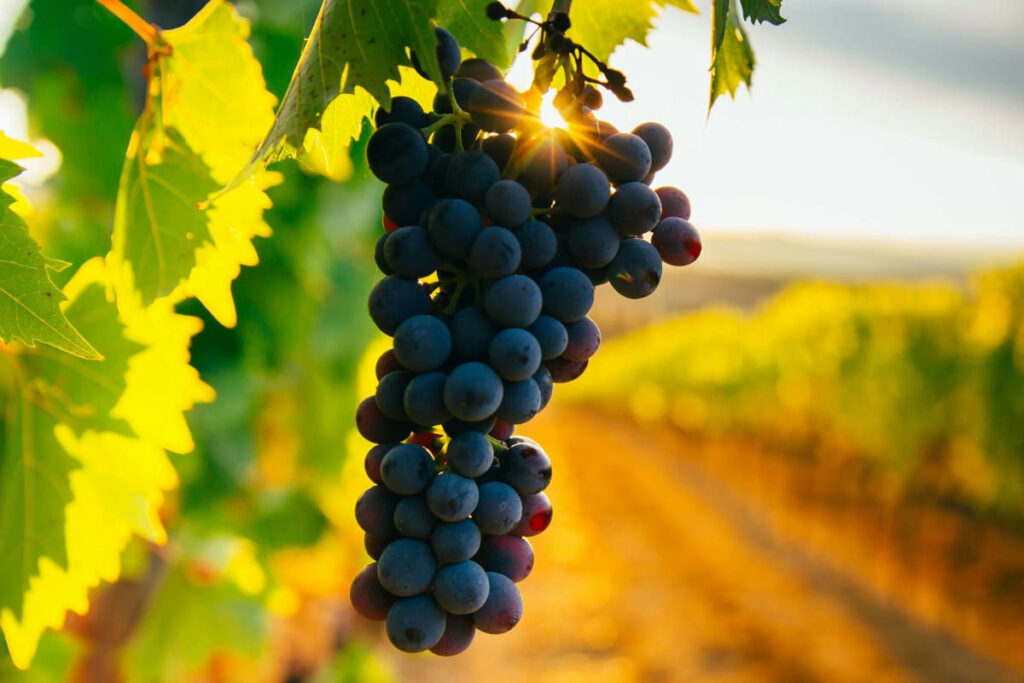
The Grape Varieties Used in Champagne Production
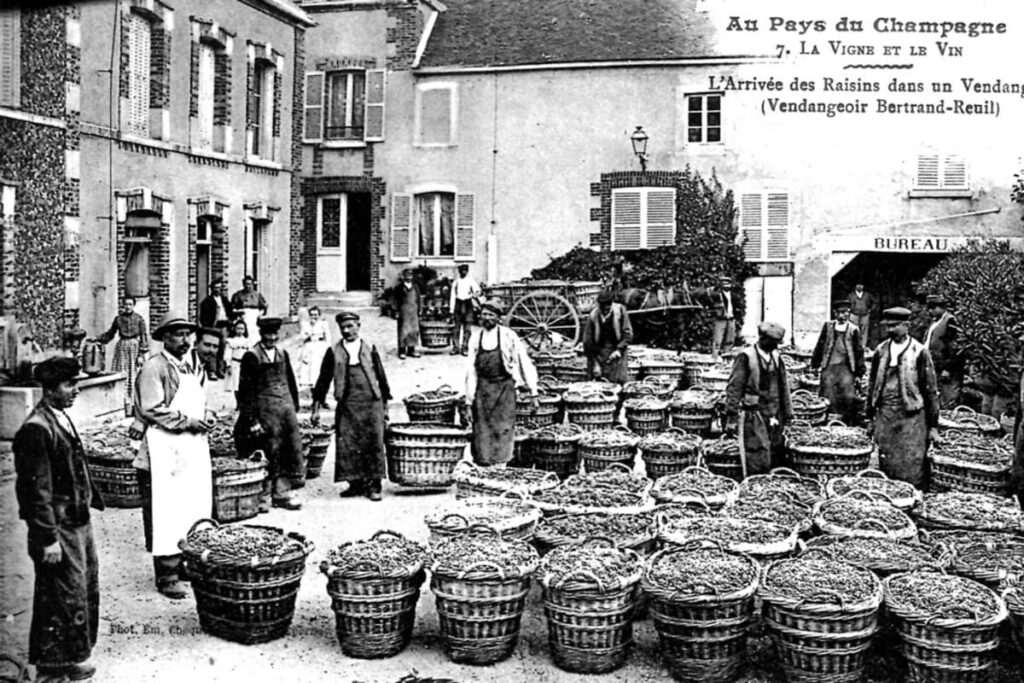
Champagne, the result of carefully selected grape varieties, finds its roots in the unique terroir of the Champagne region. Viticulture techniques and the art of blending play a crucial role in the quality of the final product. The preparation before winemaking, including harvesting and pressing, ensures the purity and finesse of the wines.
The History of the Champagne Method
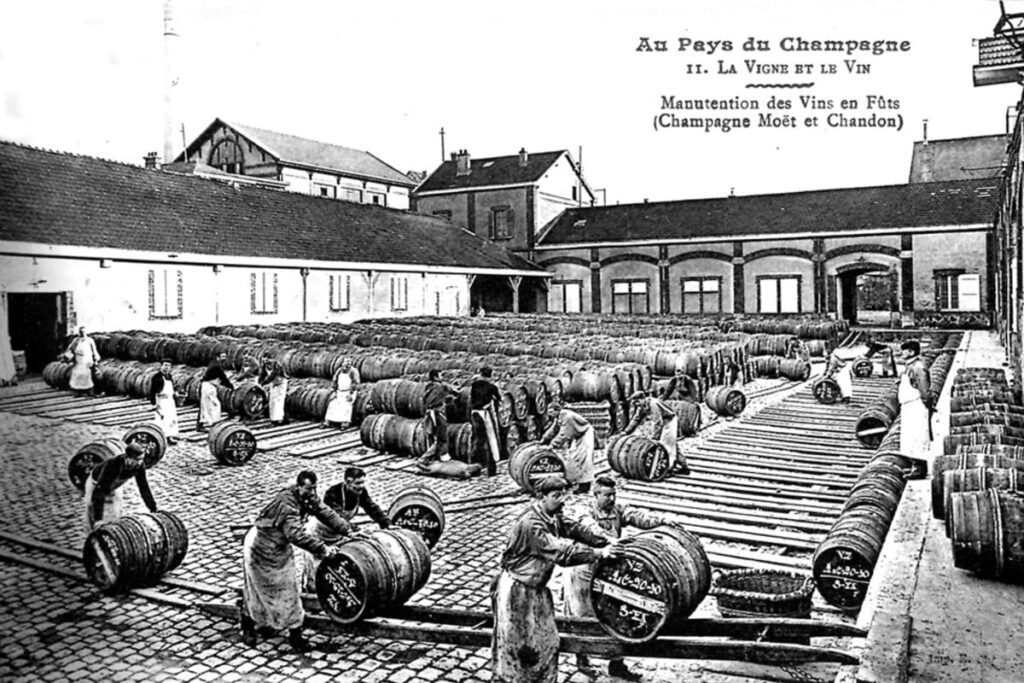
The history of the champagne method spans several centuries, with significant contributions from monks and modern technical developments. The major champagne houses played a crucial role in popularizing and standardizing this unique wine. Today, the champagne industry faces challenges such as climate change, sustainability, and international competition.
Champagne Compared to Other Methods: The Battle of the Bubbles
The méthode champenoise, originating from Champagne in France, is the most prestigious for producing sparkling wine. Other methods include the Charmat method, the transfer method, and the ancestral method, each with its own characteristics and advantages. Economic and environmental aspects also vary, influencing future and sustainable trends in sparkling wine production.
The crucial role of riddling in champagne clarification
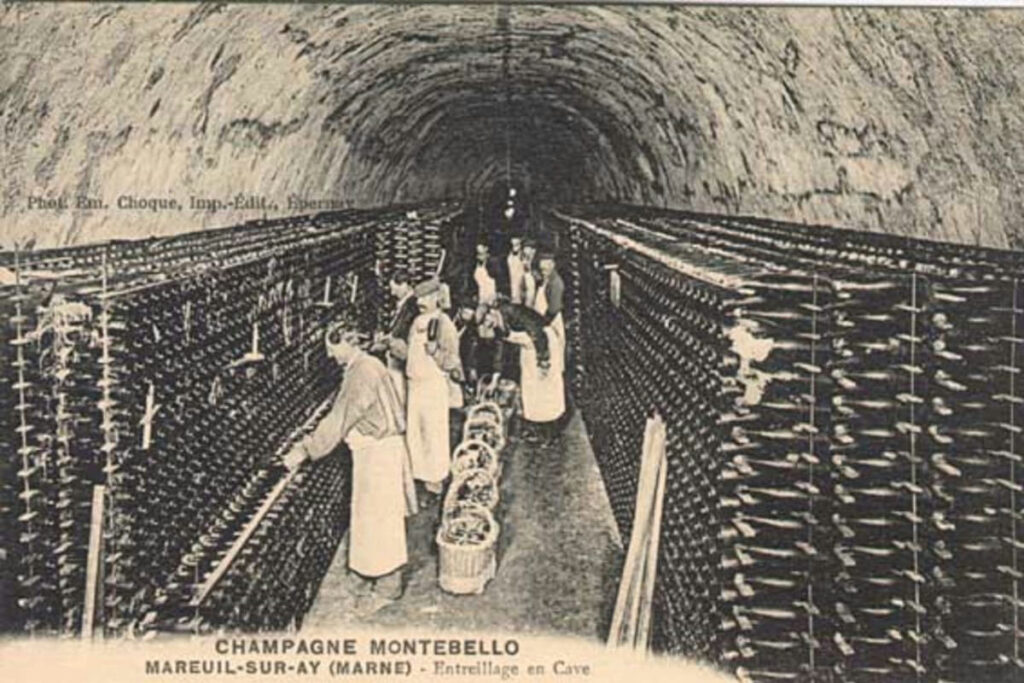
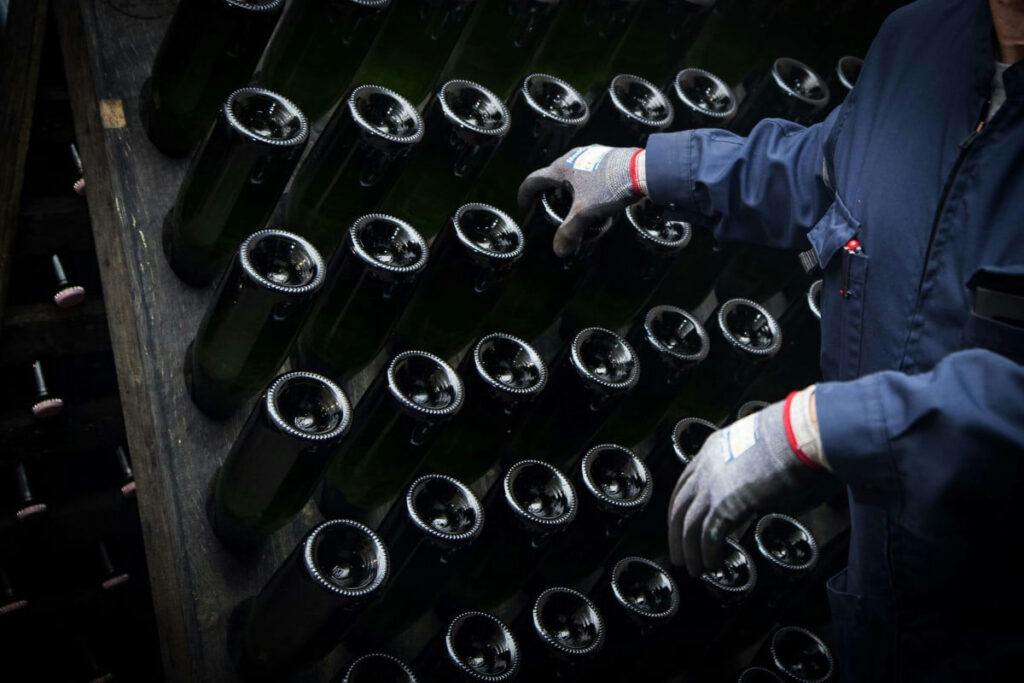
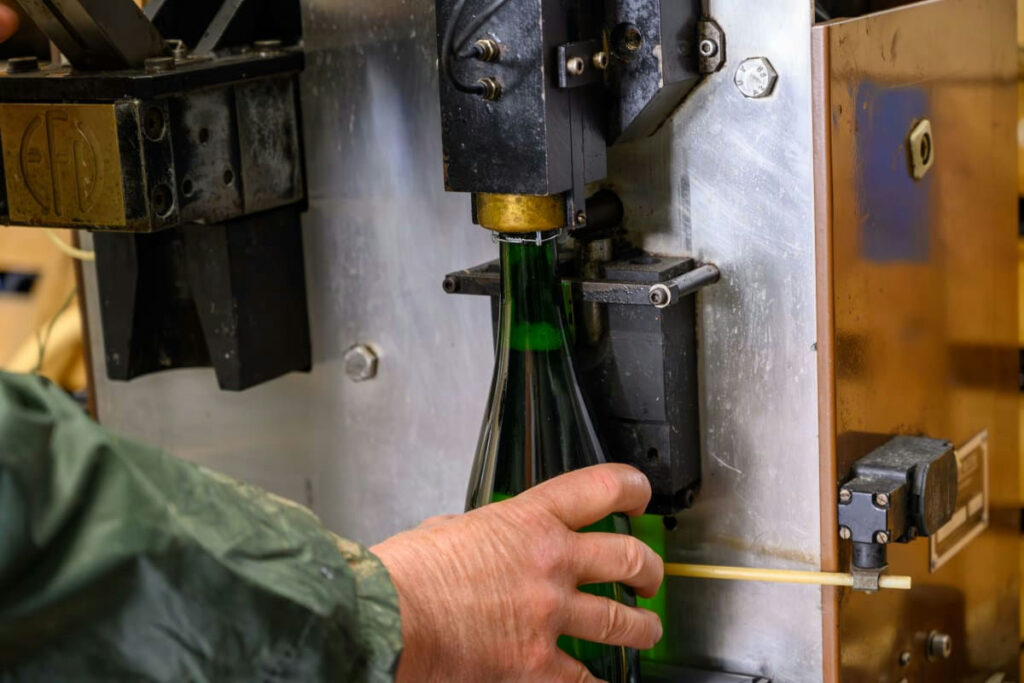
The production of champagne is a complex process involving several stages, including riddling, essential for removing yeast sediments. This riddling can be done manually or using modern machines like gyropalettes, affecting the clarity and quality of the champagne. Technological innovations continue to improve this process, ensuring efficient and high-quality production.
Champagne Cuvées: Maturation Treasures
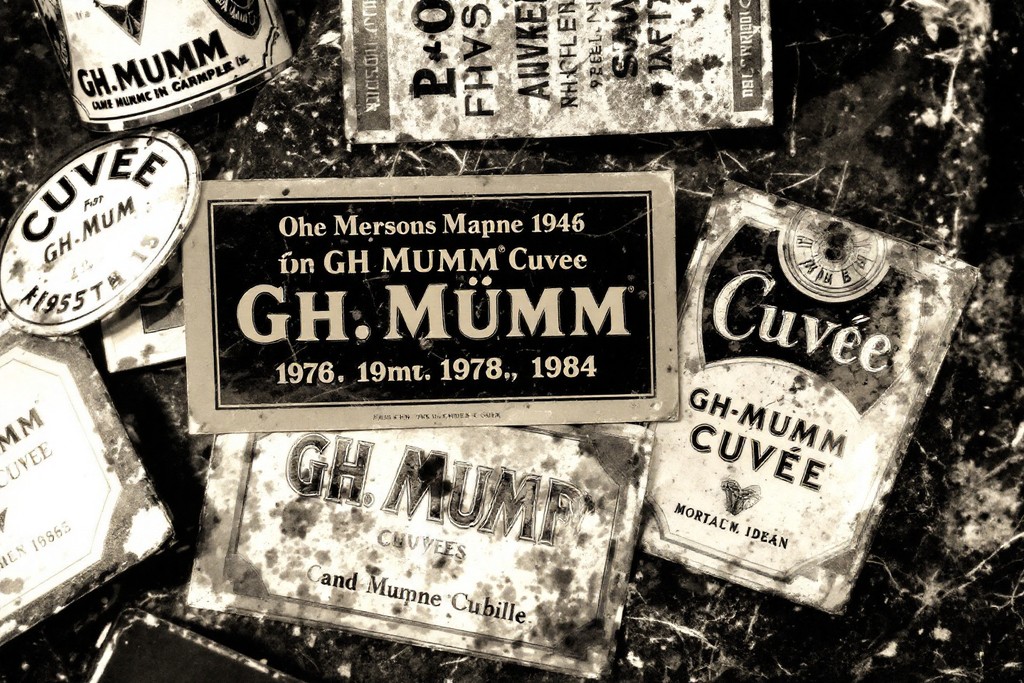
The aging of champagnes plays a crucial role in developing aromas and bubble complexity. Vintage cuvées, Blanc de Blancs, aging rosés, and Prestige cuvées all benefit from extended maturation that enriches their flavors and textures. Each type of champagne offers a unique experience, dictated by the winemaker's craftsmanship and patience.
The crucial importance of oenologists in champagne production
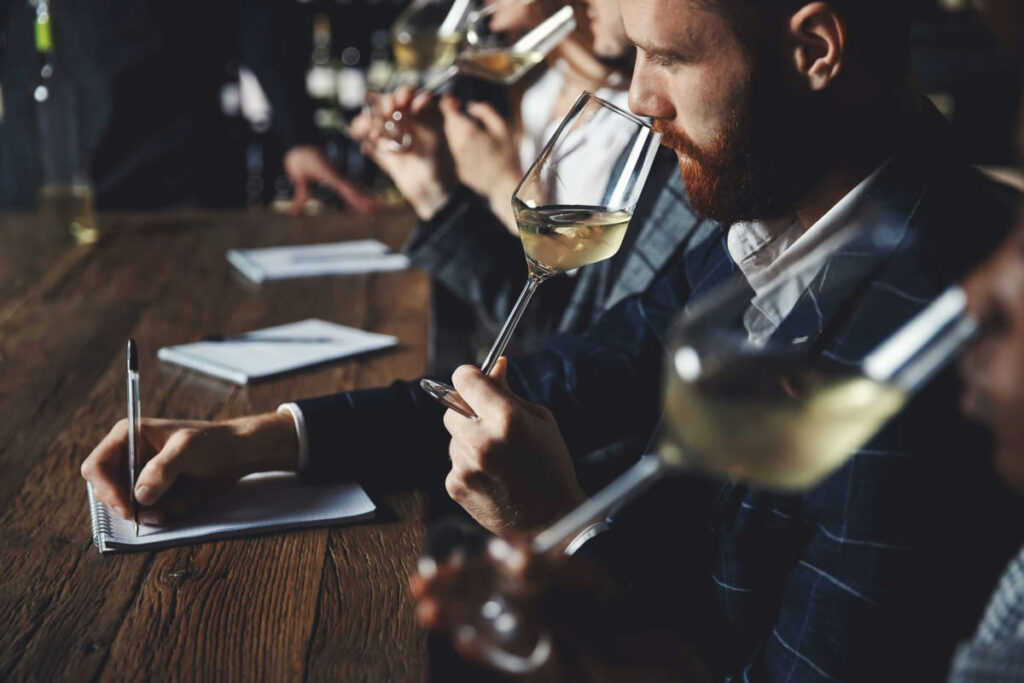
Oenologists play an essential role at every stage of champagne production, from vineyards to blending and aging. Their scientific and artistic expertise ensures the consistent quality and complexity of the final product. Respect for traditions and constant innovation are indispensable for maintaining the reputation of champagne.
The role of cellar masters in the aging and blending of champagnes
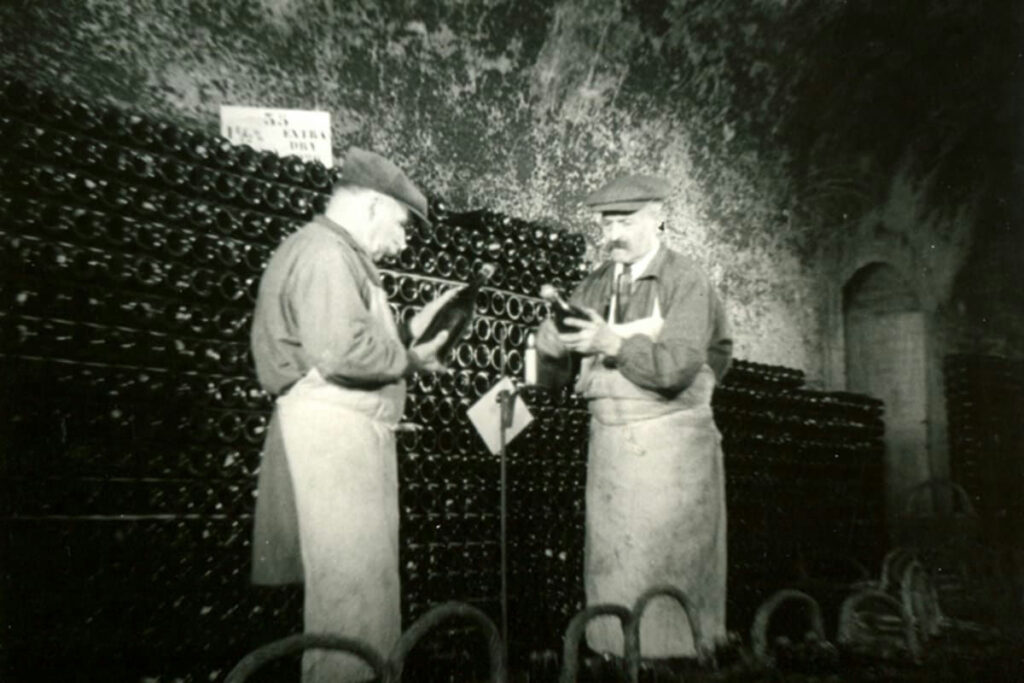
Cellar masters play an essential role in the creation of champagnes, orchestrating the flavors and aromas from the grape harvest. Their expertise is evident in both aging and the delicate art of blending the cuvées. Contemporary challenges, such as climate change and technological advancements, require them to constantly adapt and innovate.
Definition and purpose of dosage in the Champagne method
The Champagne method is a traditional process for making sparkling wines, notably used in Champagne. Dosage, which occurs after disgorgement, determines the final sweetness of the champagne by adding an expedition liqueur. Each champagne house uses dosage to assert its unique style, influencing the balance, quality, and harmony of the aromas.