LEARNING TO TASTE

Tasting champagne is an art that combines technique and sensory pleasure. Discover how to analyze aromas, appreciate flavors, and choose the best food pairings to enrich your tasting experience.

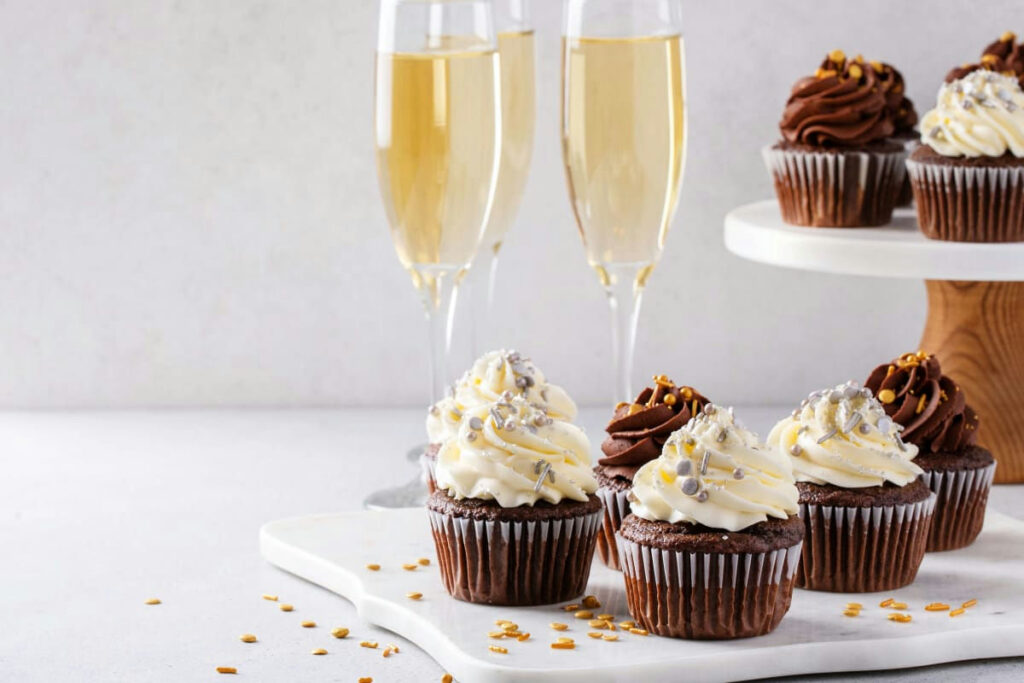
Choose the Perfect Champagne to Accompany Your Desserts
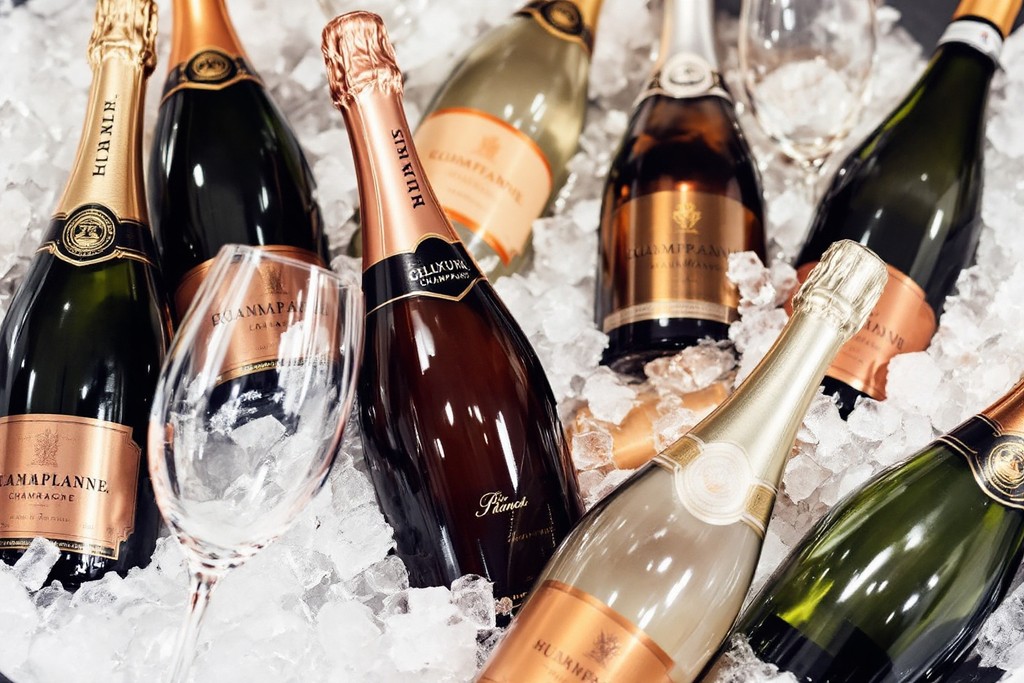
Understanding the different types of champagne allows for better pairing with desserts. The harmony of flavors between champagne and desserts is essential to enhance the tasting experience. Several practical tips help select the best champagne in store or online.
Master the Art of Champagne Tasting
Champagne tasting is an art based on understanding its foundations, key steps, and essential techniques. The choice of glass, the opening method, and the tasting stages are crucial for fully appreciating each nuance. Mastery of visual, olfactory, and taste dimensions enriches the sensory experience and the appreciation of champagne.
The multiple advantages of attending champagne tasting masterclasses
The masterclasses offer a sensory exploration of the different varieties of champagne, around enriching discussions with experts. They also allow perfecting one's tasting techniques by following methodical steps directed by experienced sommeliers and oenologists. Enriching one's cultural and historical knowledge about champagne completes this total immersion into the universe of this prestigious wine.
The Specificities and Advantages of Tasting Champagnes in Magnum
Magnums offer slow maturation, refined effervescence, and excellent preservation. The aromas of Magnums are more complex and harmonious, with notable fineness of bubbles. Ideal for large parties, elegant receptions, and intimate moments, they add a touch of grandeur and distinction.
Champagne and Seafood Pairings
Champagne, with its diversity and elegance, pairs harmoniously with seafood thanks to its effervescence and freshness. Classic combinations like oysters and Brut champagnes illustrate this taste synergy. Some practical tips can transform a simple meal into a memorable gastronomic experience by choosing the right champagne and respecting serving temperatures.
The stages of champagne tasting
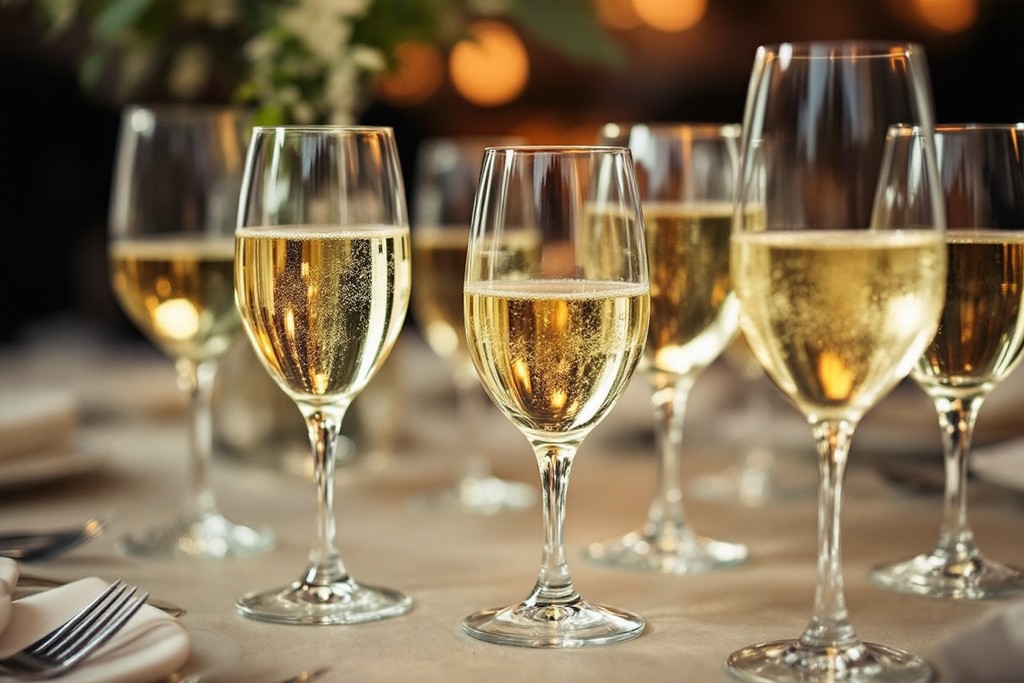
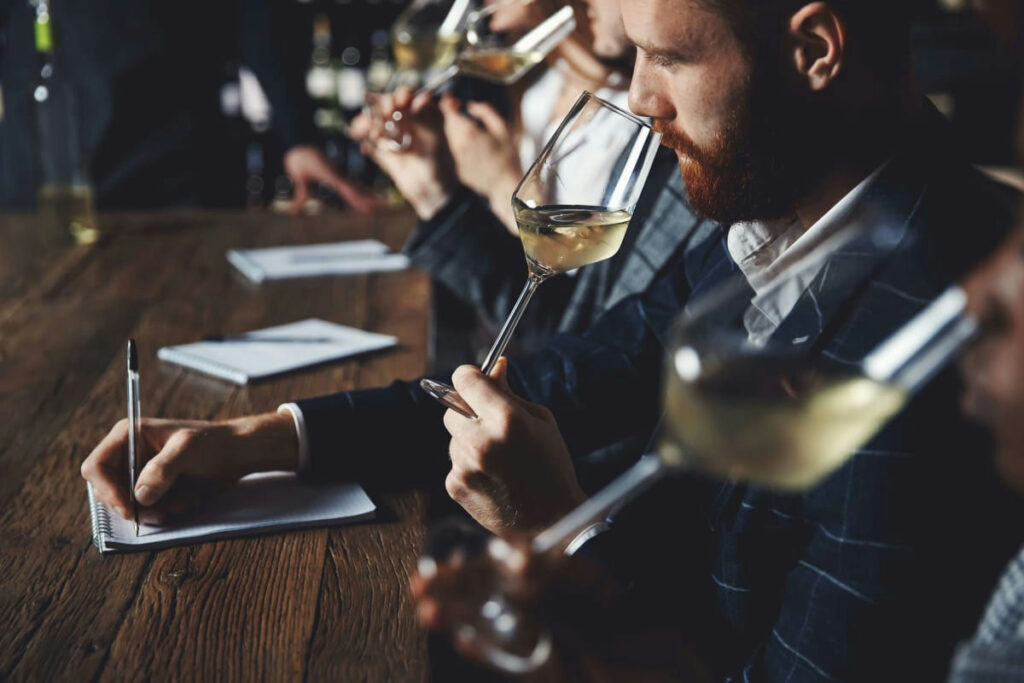
The experience of champagne tasting includes visual, olfactory, and gustatory examinations. Each stage allows discovery of specific aspects of the wine, from its color to its aromas and flavors. These processes enrich the overall appreciation and expectations of the taster.
How to Prepare Champagne for Optimal Tasting
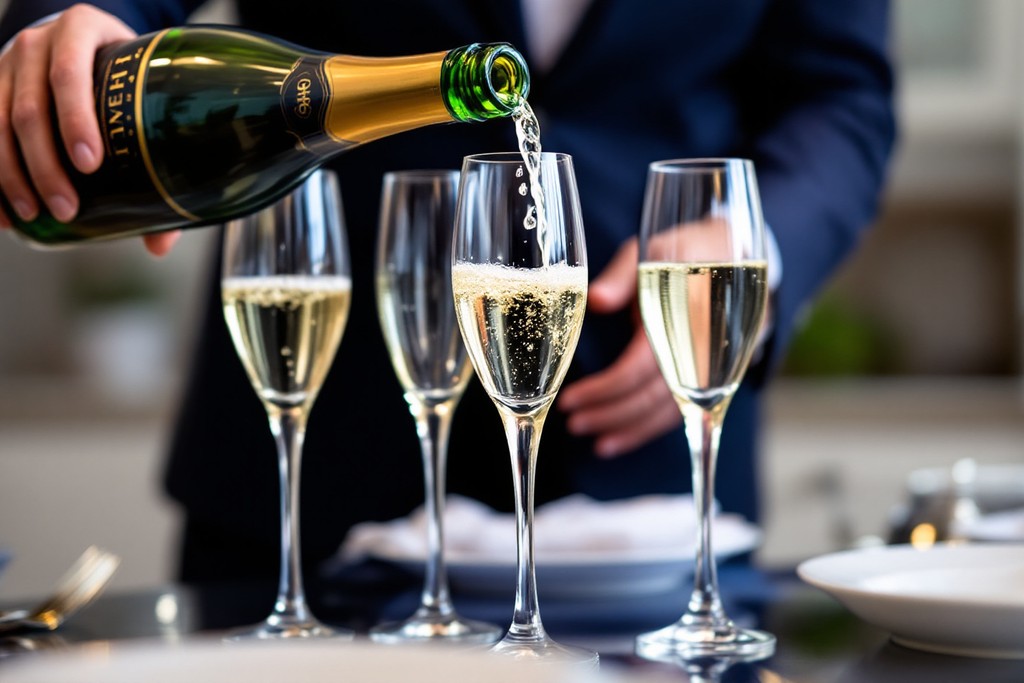
Champagne should be served at a specific temperature to maximize its aromas and flavors. Bottle opening requires precautions to preserve bubbles and prevent splashes. Proper presentation and attentive tasting reveal the drink's complexity.
Tasting and Appreciating Aged Champagnes
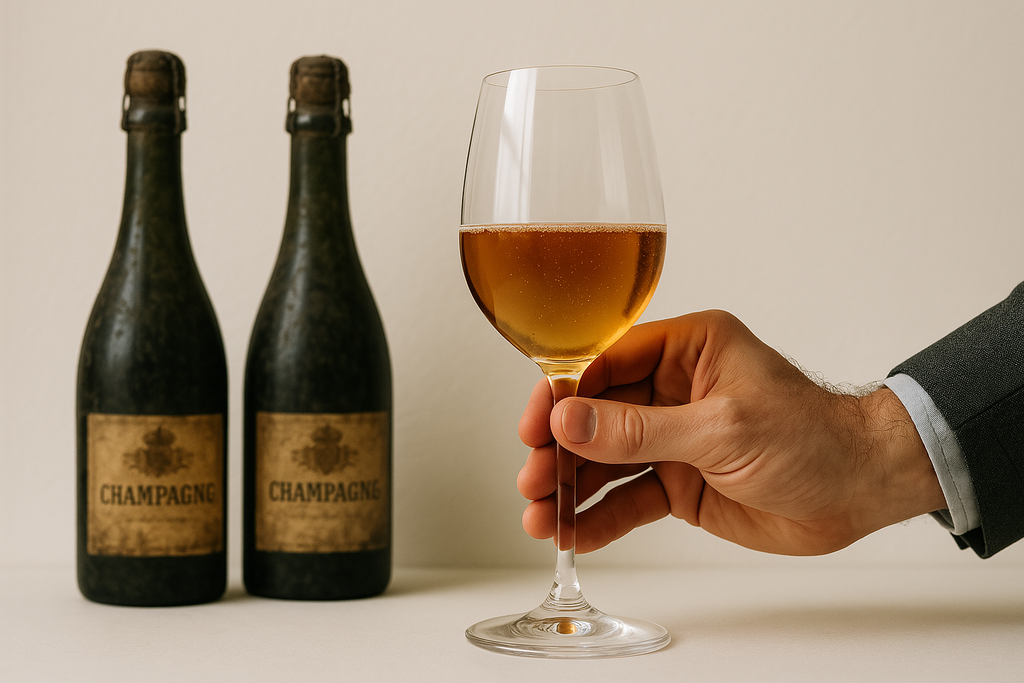
Prolonged aging of champagnes allows for unique aroma and flavor development through yeast autolysis. Long-aged champagnes offer complex notes of dried fruits, honey, and brioche, as well as a more delicate and creamy texture. Tasting these champagnes requires proper preparation, including appropriate serving temperature, the right glass choice, and careful observation of aromatic and taste characteristics.
Art of Tasting Rare Champagnes
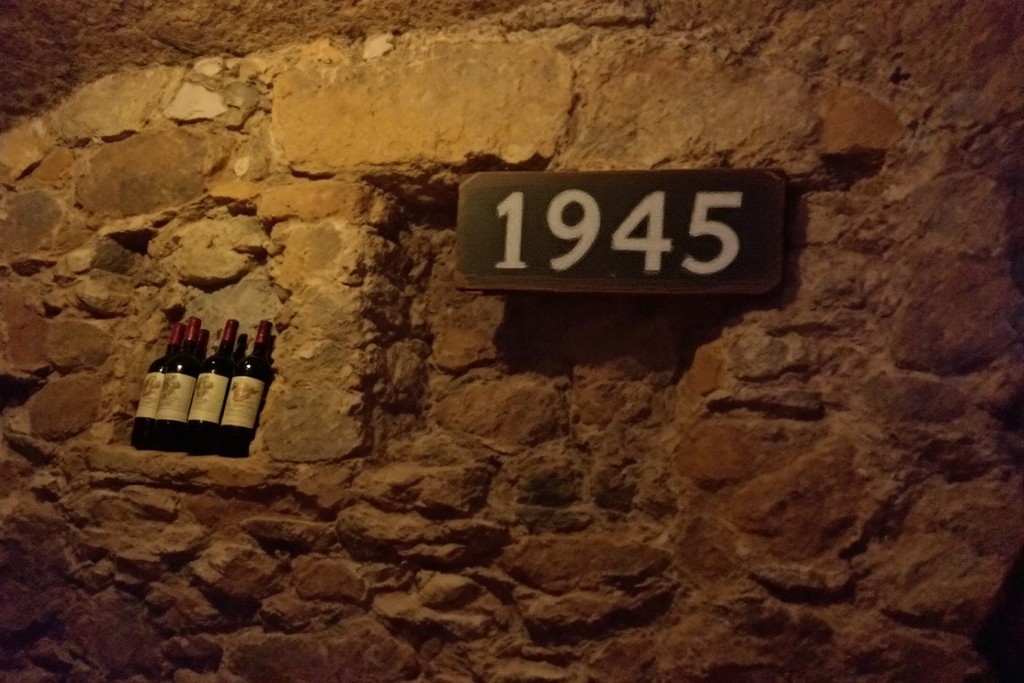
Rare champagnes are distinguished by their provenance, the grape varieties used, blending, and aging. The successful tasting of these exceptional wines follows precise steps including observation, olfactory analysis, and actual tasting. Food and rare champagne pairings play an essential role in enhancing the aromas and flavors of these wines.
The influence of serving temperature on the taste and quality of champagne
Tasting champagne at the right temperature is crucial to revealing its aromas and flavors. Ideal temperatures vary according to the type of champagne, influencing both the bubbles and taste perception. Mastering the serving temperature allows enhancing each flute and offering an optimal tasting experience.
Marry Champagne and Dishes with Refinement
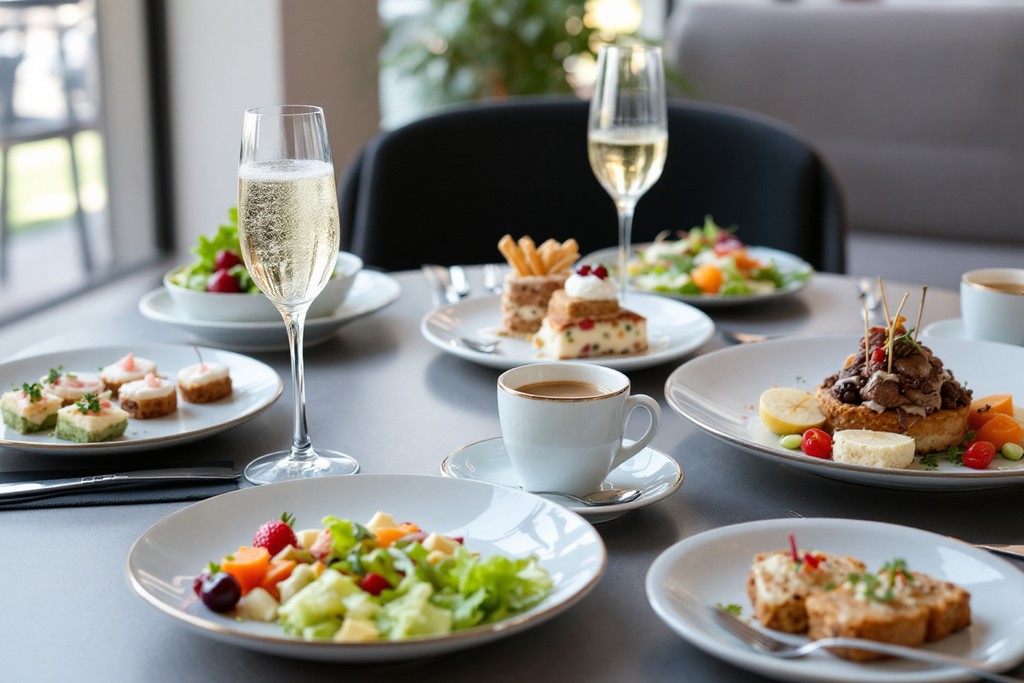
Understanding the different varieties of champagne and their characteristics helps refine gastronomic pairing choices. Seafood and light dishes harmonize beautifully with fresh and light champagnes, while bolder options can be explored with meats, cheeses, and desserts. Experimentation and discovery are essential to fully appreciate the myriad facets of food-champagne pairings.
Mastering the Art of Tasting
Understanding champagne aromas requires knowledge of grape varieties, winemaking techniques, and bottle aging. Practical techniques like visual observation and olfactory examination help identify aromas. Developing your own tasting profile relies on a methodical approach, regular practice, and consideration of the tasting environment.