
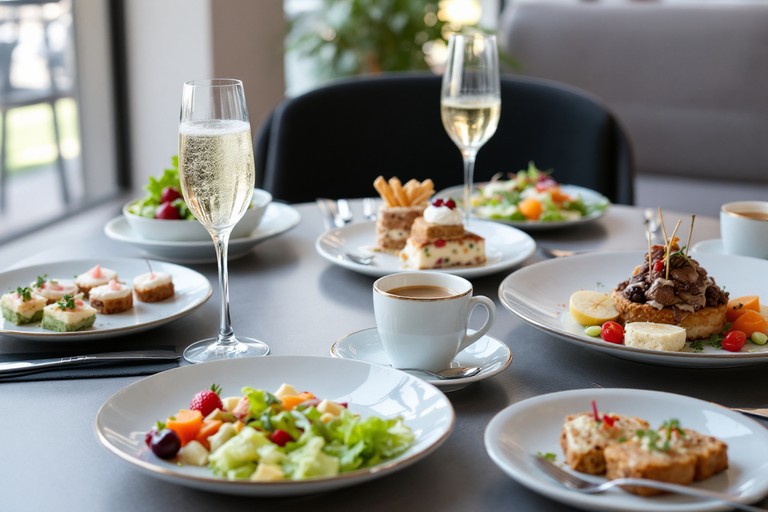
To begin this sensory exploration, it is essential to understand the different varieties of champagne and their unique characteristics. Champagne mainly comes in three categories: Brut, Demi-sec, and Rosé. Brut Champagne is often the most versatile choice. Lightly dosed in sugar, it presents a delicate aromatic palette with notes of citrus, green apples, and sometimes brioche. It pairs perfectly with a wide variety of dishes. Demi-sec Champagne, slightly sweeter, offers generous aromas of ripe fruits and honey. It is ideal for those looking for a touch of sweetness in their food and wine pairings. It goes well with slightly sweet and spicy dishes. Rosé Champagne, made from red grape varieties, notably Pinot Noir, adds a fruity dimension with notes of red fruits like raspberry and strawberry. Its lively and festive character makes it particularly suitable for pairing with bolder dishes. It is also relevant to mention vintage champagnes, made from a single year of exceptional harvest. They present more pronounced complexity and richness in aroma, often reserved for special occasions or noble dishes. Understanding these differences allows for refining the choice of champagne based on the flavors and textures of the dishes you plan to serve. Each type of champagne brings a distinctive note that, when well-paired, can elevate the gastronomic experience to a higher level. The essential lies in knowing the basics and nuances of each type of champagne. This will enhance both the dishes and the moments of shared conviviality around an elegantly set table.
Seafood and light dishes are natural companions to champagne, thanks to the liveliness and effervescent texture of the latter. Brut Champagne is often recommended for its low sugar content and freshness. For example, oysters and sushi find in it an ideal partner. The balanced acidity of the Brut contrasts superbly with the salinity of oysters, revealing their mineral nuances. Shellfish, like langoustines and shrimp, also pair beautifully with this type of champagne. Their delicate texture and subtle flavor are enhanced by the fine bubbles and liveliness of champagne. Try a Brut Nature Champagne, without dosage, to highlight the freshness and purity of seafood. White fish, whether grilled or steamed, greatly benefit from the accompaniment of a Blanc de Blancs Champagne, made exclusively from Chardonnay. Its notes of lemon and white flowers harmoniously complement the softness and finesse of the fish. Sushi, particularly those composed of raw fish, is another excellent option for this type of champagne. The precision and finesse of the bubbles accentuate the delicate textures of nigiri or sashimi. For lighter dishes like salads and crunchy vegetables, a Rosé Champagne can bring a touch of color and fruitiness. Its liveliness captures the essence of fresh ingredients while adding a note of masculinity thanks to its red fruit aromas. It also pairs well with dishes based on grilled vegetables, where the light caramelization finds beautiful resonance with the fruity and slightly tannic notes of the rosé. Vegetarian dishes are not left behind. Dishes like mushroom risottos or vegetable tartare benefit from the refreshing acidity and light bubbles of a champagne. The diversity of flavors and textures of light dishes finds in each type of champagne a unique echo that enhances the culinary experience without weighing it down. In short, the choice of champagnes to accompany seafood and light dishes is based on a balance of freshness, liveliness, and texture. No matter your choice among the different varieties of champagne, the important thing is to appreciate the subtleties and savor each pairing in all its splendor.
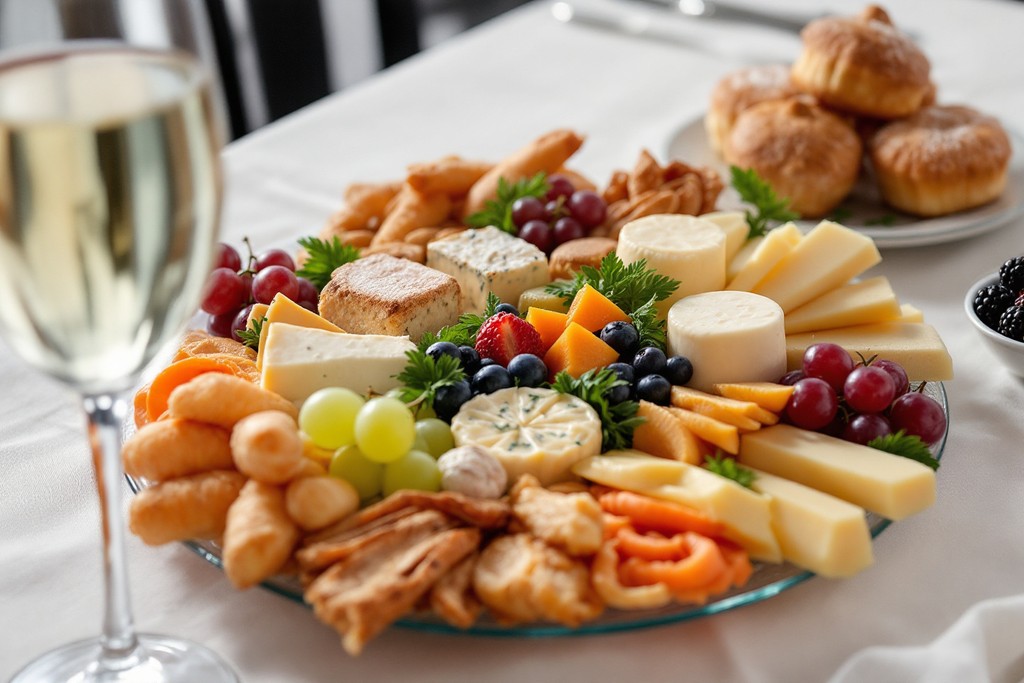
Navigating the world of food-champagne pairings for meats, cheeses, and desserts may seem complex, but it can be a source of great culinary satisfaction. Let’s start with the meats. Although champagne is often associated with seafood and light dishes, some types pair exceptionally well with white meats like chicken and turkey. A Blanc de Noirs Brut Champagne, produced from Pinot Noir and Pinot Meunier grapes, offers an appropriate structure and richness to accompany these meats. Its ripe fruit aromas and ample texture perfectly complement roasted or grilled poultry dishes. For red meats, a Rosé Champagne reveals all its versatility. Its robust structure and rich red fruit notes can balance more flavorful meat dishes, such as duck or even lamb. A non-vintage Rosé with good roundness and lively acidity can create an attractive contrast with the fat and mosaic of flavors of red meats. The cheese world also offers multiple pairing possibilities. Soft and creamy cheeses, like Brie and Camembert, find an ideal partner in Brut Champagne. The bubbles help cleanse the palate, while the acidity cuts through the richness of these cheeses, creating a symphony of flavors. For hard cheeses, like Comté or Parmesan, a vintage champagne can offer aromatic complexity that rivals the depth of these aged cheeses. As for desserts, Demi-sec Champagne is a top choice. Its balanced sweetness delights the palate without being cloying. For example, a fruit tart finds a harmonious echo in the sweet and fruity notes of a Demi-sec. Chocolate desserts, on the other hand, can present a challenge. However, a Rosé Champagne with its red fruit aromas and firmer structure can offer a delightful counterpoint to chocolate desserts. The important thing when exploring these pairings is not to hesitate to experiment. Champagne, with its multiple facets, offers a rich and diverse playground to marry a wide range of flavors and textures. Whether you opt for subtlety or boldness, the secret lies in discovering and appreciating what each bottle has to offer.
Necessary cookies are absolutely essential for the website to function properly. This category only includes cookies that ensures basic functionalities and security features of the website. These cookies do not store any personal information.
Any cookies that may not be particularly necessary for the website to function and is used specifically to collect user personal data via analytics, ads, other embedded contents are termed as non-necessary cookies. It is mandatory to procure user consent prior to running these cookies on your website.