
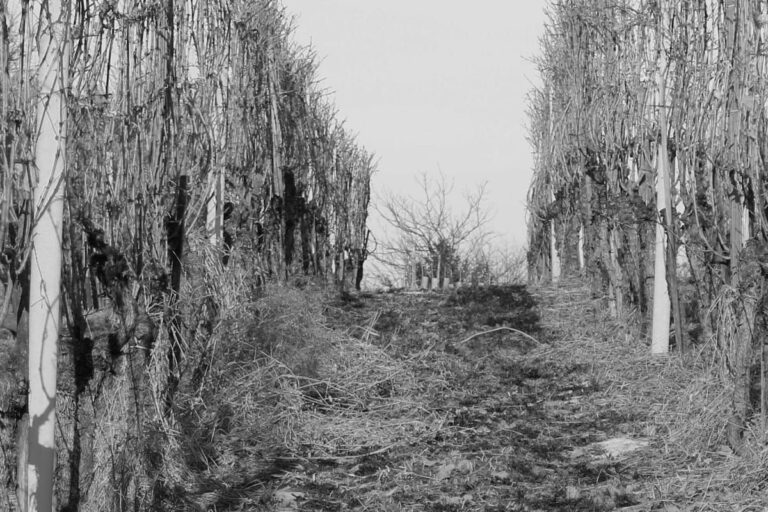
The onset of World War II plunged the Champagne region into a whirlpool of uncertainty and tension. As early as the 1930s, the impending conflicts in Europe caused anxiety among winegrowers and champagne houses. The First World War had already left indelible scars on the Champagne vineyards, and the prospect of a new conflict was a source of fear. Champagne winemakers, aware of the devastation war could cause, began considering preventive measures to protect their lands and productions. The controlled designation of origin, established in 1927, played a crucial role during this period by consolidating production rules and ensuring the quality and authenticity of champagne against potential destabilizations. However, despite these regulatory protections, the specter of war was ever-present. With the invasion of Poland in 1939, France prepared for a large-scale conflict. The vines, although robust, were vulnerable to the destruction caused by fighting and the imminent occupation. During the interwar period, many champagne houses had invested in infrastructure and exports to rebuild the regional economy. The cellars, the true heart of the industry, were once again under threat. The German army, during the 1940 invasion, quickly took control of Paris and advanced eastward, placing the Champagne region directly under its control. The military presence led to property requisitions, forced reorganization of wine operations, and the imposition of severe quotas. The start of the war brought economic uncertainties about the production and distribution of Champagne wines. Winemakers, facing a reduced workforce with many mobilized to the front, had to deal with increasingly precarious working conditions. This context represented a test of resilience for an industry already shaken by decades of conflicts and economic crises. The beginnings of World War II marked a period of survival and adaptation in the face of unprecedented challenges.
With the onset of hostilities, the champagne industry faced unprecedented restrictions and difficulties. The mobilization of many winemakers for the war effort drastically reduced the available workforce in the vineyards. The remaining workers often had to juggle agricultural work with other duties imposed by the German occupation. The Nazis, aware of the economic and symbolic value of champagne, imposed strict regulations and requisitioned much of the production for their consumption and to fund their military operations. Production quotas were established, limiting the quantities each house could produce and distribute. Additionally, a significant portion of the materials needed for viticulture, like fertilizers and equipment, was redirected to the war effort, increasing the challenges for Champagne producers. The shortage of labor and resources created significant tensions within the industry. Champagne houses, already tried by World War I and the economic crisis of the 1930s, had to navigate an environment where every decision could determine their survival. The vineyard regions were closely monitored by occupying authorities, complicating any attempts to circumvent imposed regulations. Besides economic and logistical restrictions, the Champagne vineyards also suffered direct physical damage. Fighting, bombings, and occupation endangered the preservation of the vines and infrastructure. Some vineyards were completely destroyed, and cellars faced partial or complete requisitions, depriving producers of the necessary space to store and ferment their wine. These challenges forced producers to innovate and find creative solutions to maintain some continuity in their production. The quality of wines was protected as much as possible, but compromises were inevitable. Generations of winemaking knowledge clashed with the harsh realities of war, making each vintage from this period particularly precious and leaving an indelible mark on the history of champagne. The resilience of champagne houses during these years of conflict is remarkable. Unfortunately, despite their efforts, overall production was severely reduced, and the industry struggled to satisfy local and international demand. Each bottle produced during these years became the silent witness of an industry struck but never broken by the tumult of war.
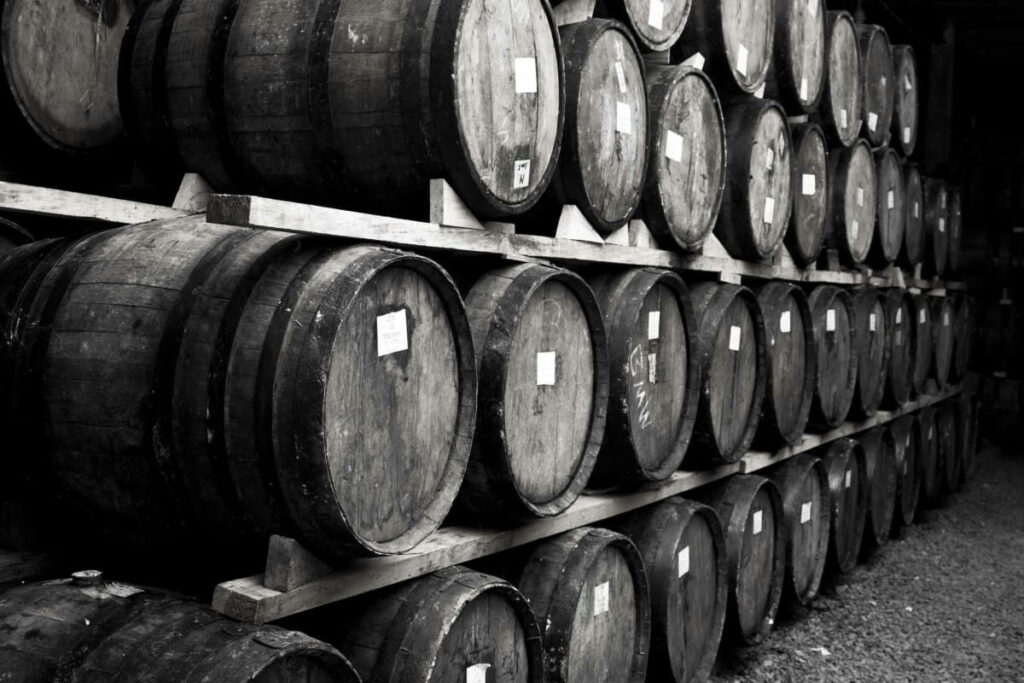
Facing the harsh realities imposed by World War II, champagne houses had to develop essential survival and adaptation strategies. The preservation instinct and ingenuity of Champagne producers proved decisive in getting through this dark period. One of the first strategies adopted was to hide part of the champagne reserves. In anticipation of German requisitions, producers organized hidden caches in their cellars to protect their valuable stocks. Sometimes these caches were so well hidden that even after the war, they were discovered only after meticulous searches. This tactic allowed significant volumes of champagne to be preserved from confiscation. In parallel, champagne houses redoubled their efforts to maintain quality standards despite restrictions. Oenologists and winegrowers adopted innovative methods to compensate for the lack of resources. The use of substitutes, alternative fermentation processes, and clever blends allowed wines to meet the appellation criteria despite difficulties. To bypass distribution limitations, some producers developed clandestine sales networks. These circuits allowed their production to reach less controlled markets, thus preserving an indispensable source of income. Bottles traveled clandestinely, passed hand to hand, in delicate operations where each participant risked a lot. Versatility and solidarity then became essential values. Champagne houses supported each other and exchanged resources and know-how. Smaller operations often benefited from the help of larger ones to survive. This mutual support was also backed by the local community, which saw in the champagne industry a heritage to protect at all costs. Despite the adjustments and new routines established, the daily life of winegrowers remained riddled with obstacles. The close surveillance by occupying forces and the fluctuating conditions of the armed conflict required constant vigilance and immediate responsiveness. Every day was a challenge, and each harvest season represented a victory in itself. The ingenuity of Champagne producers and their incredible ability to adapt in the face of adversity are testimonies to their dedication to their craft and heritage. The legacy of these war years can still be found in some current winemaking practices, illustrating how history and tradition are intertwined in the daily life of one of the world’s most prestigious wine regions.
During the challenging years of World War II, the black market developed in response to the draconian restrictions on champagne production and distribution. Confronted with the limits imposed by the Nazi occupation, many producers and distributors sought alternative ways to get their champagne to consumers, circumventing inspections and requisitions. The black market quickly became an economic escape, despite its high risks. The requisitioned cellars and imposed quotas made official trade almost impossible. Consequently, a robust and complex clandestine network emerged to maintain the supply of champagne. The agents of this parallel market included producers, transporters, and even complicit merchants specializing in illegal sales. Clandestine transactions often relied on mutual trust and discreet communication methods. The appointments for transferring cases of champagne were made in isolated locations, often at night, to avoid German patrols. The routes used by smugglers were carefully planned, exploiting local knowledge of paths and discreet corners. The cellars, symbols of luxury and tradition, became places of resistance by their mere capacity to preserve the precious nectar from conquering hands. All levels of occupied society found interest in this trade. French resistance fighters used these networks to fund their operations, while ordinary citizens, eager to maintain a sense of normalcy and pleasure in their lives, participated in various degrees, whether by consuming or assisting in distribution. Nazi dignitaries, charmed by the product they attempted to control, were sometimes themselves hidden consumers of this black market, often unbeknownst to their superiors. The grand parties and celebrations of high-ranking Germans were sometimes supplied by this illicit trade, adding a bitter irony to the history of champagne in wartime. The black market of champagne during World War II was also the scene of less visible but equally crucial battles. Sabotages orchestrated by the Resistance included actions aimed at disrupting official distribution channels and strengthening clandestine circuits. This double game, although perilous, kept a winemaking tradition alive while supporting France’s liberation effort. In essence, the black market and clandestine networks, despite their illegality, played a fundamental role in preserving an iconic industry of French culture. They illustrate the resilience and adaptability of Champagne producers facing an uncompromising occupation and show how champagne, more than just a luxury product, became a symbol of resilience and freedom.
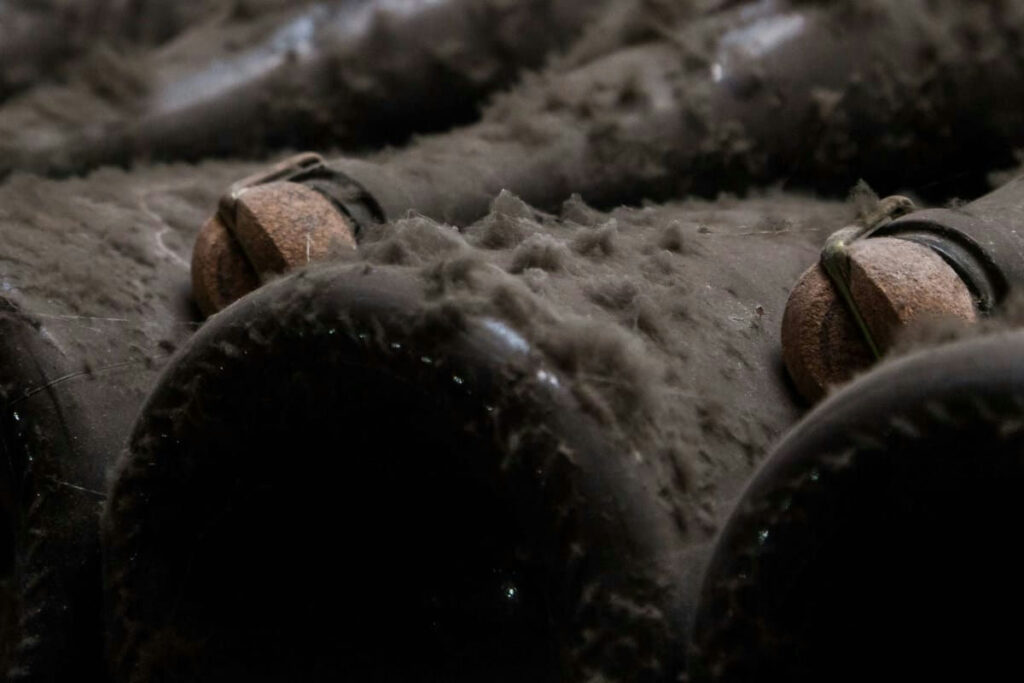
With France’s liberation in 1944, the champagne industry began a slow but determined process of reconstruction. The scars of war were deeply embedded in the vineyards and infrastructure, but Champagne producers were resolved to revive their prestigious heritage. The first step was repairing physical damage. The vines, many of which suffered from bombings and troop movements, needed special attention. Champagne houses mobilized all available resources to replant vineyards, rebuild destroyed structures, and rehabilitate damaged cellars. This Herculean task required time, significant financial investments, and above all, much patience and dedication. Simultaneously, the industry reorganized to restart production. The gradual return of mobilized men allowed for the reconstitution of a skilled workforce essential for vine cultivation and wine production. Exchanges and collaborations between houses multiplied to streamline reconstruction efforts and share best practices. The French authorities also played a crucial role in this renaissance. Aware of champagne’s economic and cultural importance, they implemented financial and technical support measures to help producers recover. Grants for reconstruction, low-interest loans, and technical training were all tools used to accelerate the industry’s revival. Furthermore, champagne houses embarked on an ambitious strategy to reclaim international markets. Although war had profoundly impacted distribution networks, foreign markets’ thirst for luxury and refinement offered new opportunities for French champagne. Despite post-war logistical difficulties, exports gradually resumed, supported by intelligent marketing campaigns and an unshakable reputation. The growing demand, particularly in the United States and the United Kingdom, where champagne was seen as a symbol of celebration and victory, boosted the region’s economic recovery. The glorious era of the post-war economic boom saw champagne regain and even surpass its pre-war splendor. Technological innovations, such as the partial automation of production processes and improved winemaking techniques, increased efficiency while preserving quality. Investments in viticultural research, prompted by the war, yielded results, ensuring better vine resistance to disease and climate challenges. Lastly, the return to a more prosperous life and the collective desire to celebrate newfound freedom reignited champagne sales in the domestic market. Festivities, weddings, and various events became occasions to enjoy this sparkling wine, bringing France a touch of sweetness and joy after years of deprivation. Thus, the resilience and ingenuity of Champagne producers, combined with institutional support and a savvy commercial strategy, allowed the industry to rise from the ashes. What might have seemed like an industry broken by war transformed, through a concerted and visionary effort, into an incredible chapter of rebirth and success that continues to unfold today.
Necessary cookies are absolutely essential for the website to function properly. This category only includes cookies that ensures basic functionalities and security features of the website. These cookies do not store any personal information.
Any cookies that may not be particularly necessary for the website to function and is used specifically to collect user personal data via analytics, ads, other embedded contents are termed as non-necessary cookies. It is mandatory to procure user consent prior to running these cookies on your website.