
Sparkling wine, whose origins date back to Roman times, has long intrigued gourmets and scholars. However, it was not until the 17th century in France that champagne, as we know it today, truly emerged. Far from being the prestige wine it is now, it took several decades to perfect the method of carbonation and the winemaking of Champagne wines. Initially, bubbles in wine were considered an imperfection. The winemakers in the Champagne region had to be ingenious to transform this ‘mistake’ into a desirable characteristic. The first attempts to market sparkling wine met obstacles, mainly due to the product’s instability. However, Champagne wines quickly attracted attention due to their unique sparkling character, appealing to an increasingly diverse and sophisticated clientele. Commercialization took off with advances in winemaking and mastering carbonation. It was during this time that the first champagne houses emerged, allowing for the production of larger quantities and continuously improving quality. The birth of these houses laid the foundations for what would become an iconic industry, thanks to a combination of local expertise and strategic innovation.
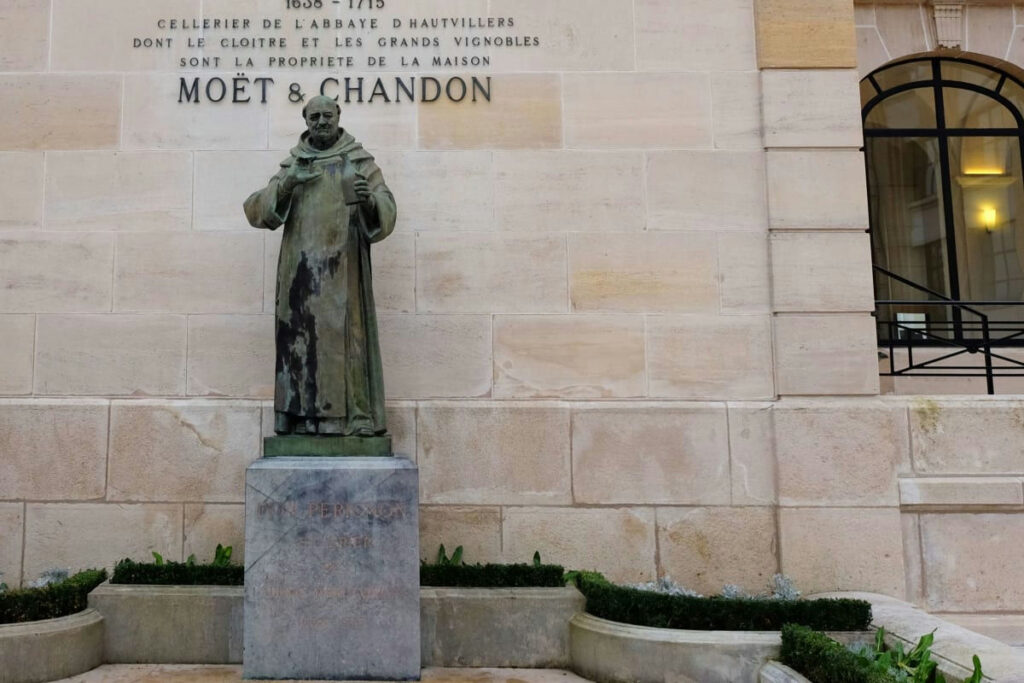
When discussing the history of champagne, it’s impossible not to mention Pierre Pérignon, better known as Dom Pérignon. A 17th-century Benedictine monk, he is often credited with the ‘invention’ of champagne. Rather than having invented it, Dom Pérignon mostly perfected several winemaking techniques, significantly improving the quality of sparkling wine. His attention to detail, from harvesting to blending, set high-quality standards and reduced the risk of bottle explosions, a common issue at the time. Another key figure is Nicolas Ruinart, founder of the first champagne house in 1729. His house, Ruinart, became a model of what could be achieved in the champagne field. Nicolas Ruinart was inspired by the writings of his uncle, a Benedictine monk who praised sparkling wine. Unlike his predecessors, Ruinart understood the importance of marketing and promotion, bringing champagne into international trade. Claude Moët, for his part, founded his champagne house in 1743. He quickly understood the importance of connecting with high society and aligning with values of luxury and elegance. Moët played a crucial role in democratizing the product, making champagne accessible not only to the aristocracy but also to the wealthy bourgeoisie. He thus helped to open new markets and popularize champagne far beyond French borders.
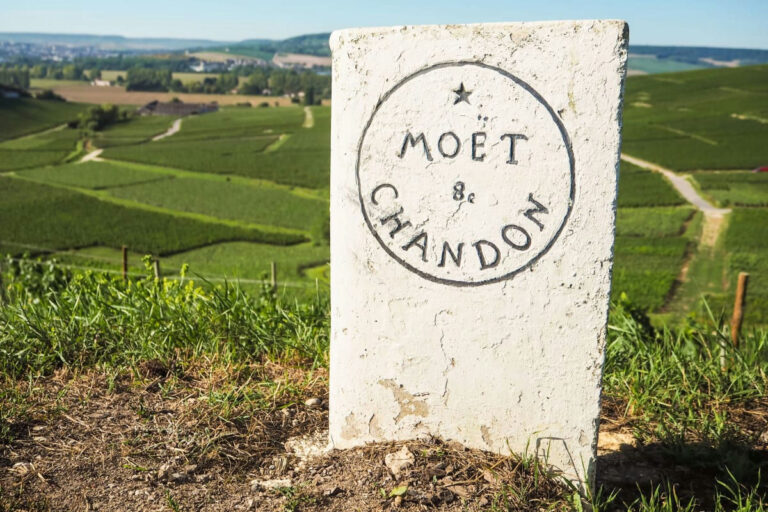
The 18th century was a pivotal time for champagne. It was during this era that the great champagne houses were founded, laying the pillars of a tradition that still endures today. These houses not only perfected their product, but also understood the importance of branding and prestige associated with champagne. Houses such as Ruinart, Moët & Chandon, and later Veuve Clicquot adopted advanced winemaking techniques and invested in underground cellars ideal for champagne maturation. The first houses also used their own logos and bottle designs to differentiate themselves. They emphasized consistency and quality, key elements for retaining a demanding clientele and establishing a lasting reputation. These great houses also invested in innovative marketing techniques, understanding the importance of international exhibitions and lavish receptions to showcase their product to the world. A key to their success, they also developed sophisticated distribution networks allowing this delicate wine to be transported to the far reaches of Europe and beyond. In addition to the intrinsic quality of their production, the champagne houses mastered the art of communication. They always sought to associate their brand with values of luxury, celebration, and uniqueness. It is no coincidence that champagne is still synonymous with celebration and success today. Thus, through a perfect blend of artisanal craftsmanship and commercial strategy, the first champagne houses laid the foundations of a rich tradition.
Champagne owes its global recognition to major events that marked its history. One of the first major exhibitions where champagne shone was the Paris World Expo in 1889. Houses like Moët & Chandon presented their best vintages there, attracting the attention of an international clientele and strengthening their position in the global market. Royal and imperial receptions also played a crucial role in popularizing champagne. For example, Napoleon Bonaparte was reportedly a great fan of Moët & Chandon, and his preference for this drink contributed to its prestige. Similarly, the British royal court and other European courts frequently served champagne, reinforcing its image as a royal and luxurious drink. European nobility weddings, commercial pacts between nations, and grand Belle Époque soirées all contributed to solidifying champagne’s reputation. Prestigious sporting events, like the 24 Hours of Le Mans car race, have also been essential showcases where winners celebrate their success with champagne, creating an unbreakable link between success and this drink. This association with prestigious and festive events has made champagne a universal symbol of celebration. With the multiplication of communication channels in the 20th century, this image spread further, consolidating a reputation that went far beyond the borders of Champagne. These events not only increased Champagne’s notoriety but also served to entrench its most iconic brands in the minds of consumers worldwide.

Today, the great champagne houses like Moët & Chandon, Veuve Clicquot, and Krug continue to play a central role in the sparkling wine industry. Their influence is felt not only through the quality of their products but also through their contribution to innovation and the preservation of viticultural traditions in the Champagne region. Despite their age, these houses continue to innovate. Whether by introducing new vintages, improving winemaking techniques, or developing sustainable practices, they continue to lead an ever-evolving industry. For example, Moët & Chandon has invested heavily in sustainable solutions to address climate challenges, demonstrating a commitment to environmental preservation while maintaining impeccable quality. The heritage of these houses is undeniable. Veuve Clicquot, founded in 1772, is famous not only for its quality champagnes but also for Madame Clicquot’s innovations, such as the riddling process. Today, this expertise is carefully passed down from generation to generation, helping to maintain excellence in products and extend their legacy. The influence of the great houses also extends to the luxury industry at large. Their partnerships with fashion houses, prestigious hotels, and renowned cultural events have reinforced the association of champagne with luxury and exclusivity. This serves not only to promote the product but also to position it as an essential part of elite culture. In summary, the legacy of the great champagne houses goes far beyond mere bottles. It is a living tradition, a fusion of ancient expertise and modern innovation, a culture of quality and elegance that continues to strongly influence champagne production today. These houses are the guardians of a unique viticultural heritage and remain at the forefront, leaving their mark on each new generation of wine enthusiasts. Thus, the respectability and legacy of the great champagne houses are not just past remnants but living, dynamic forces that continue to shape the champagne world.
Necessary cookies are absolutely essential for the website to function properly. This category only includes cookies that ensures basic functionalities and security features of the website. These cookies do not store any personal information.
Any cookies that may not be particularly necessary for the website to function and is used specifically to collect user personal data via analytics, ads, other embedded contents are termed as non-necessary cookies. It is mandatory to procure user consent prior to running these cookies on your website.