
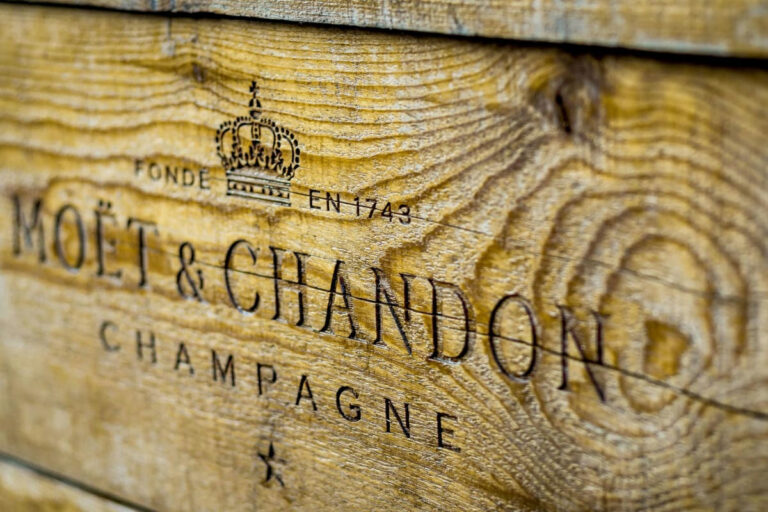
The great champagne houses, today synonymous with prestige and celebration, have roots deeply embedded in French history. Among the most emblematic, we find names like Moët & Chandon, Veuve Clicquot, and Dom Pérignon. These brands began their journeys in small villages in the Champagne region at a time when champagne was not yet the globally recognized nectar it has become. Moët & Chandon, founded in 1743 by Claude Moët, started as a small family business. Located in Épernay, at the heart of Champagne, this house quickly gained attention due to the exceptional quality of its wines. The Veuve Clicquot house has an equally captivating story. Madame Clicquot, widow of François Clicquot, took over the house in 1805 and innovated in winemaking and marketing. Her tenacity and spirit of innovation marked her time and grew the fame of her champagne. Dom Pérignon, often considered the ancestor of modern champagne, was born from the efforts of the Benedictine monk Dom Pierre Pérignon in the 17th century. In charge of managing the cellars of the abbey of Hautvillers, Dom Pérignon perfected the art of blending and the method of second fermentation in the bottle, essential for making champagne. These humble yet remarkable beginnings demonstrate the unparalleled passion and expertise that laid the foundations of the great champagne houses. Anchored in centuries-old traditions, these houses built their success on principles of quality, innovation, and perseverance.
The great champagne houses did not only excel in producing excellent wines. Their success can also be attributed to their clever growth strategies and their ability to conquer international markets. From the 19th century, efforts to promote champagne outside French borders truly paid off. One of the major turning points for the champagne industry was the rise of international trade. Moët & Chandon, for example, began exporting its champagne to England as early as the 1780s. This house was one of the first to understand the importance of a strong presence abroad and to dedicate significant resources to it. Their marketing techniques, such as organizing lavish parties and tasting events, played a key role in attracting the international aristocratic clientele. Veuve Clicquot, under the direction of Madame Clicquot, was not left behind. She pioneered exports to Russia, a challenging market to penetrate due to high tariffs and unstable political conditions. Yet, through her perseverance and logistical innovations, she managed to introduce her champagne there, which quickly became a staple at Russian nobility parties. Participation in world exhibitions also served as an ideal platform to present these sparkling wines to a global audience. The rewards and medals obtained at these exhibitions strengthened their international reputation and credibility. Through a combination of impeccable quality, ingenious marketing, and entrepreneurial courage, these champagne houses managed to seduce distant markets, from the United States to Asia, thus consolidating their status as global brands.
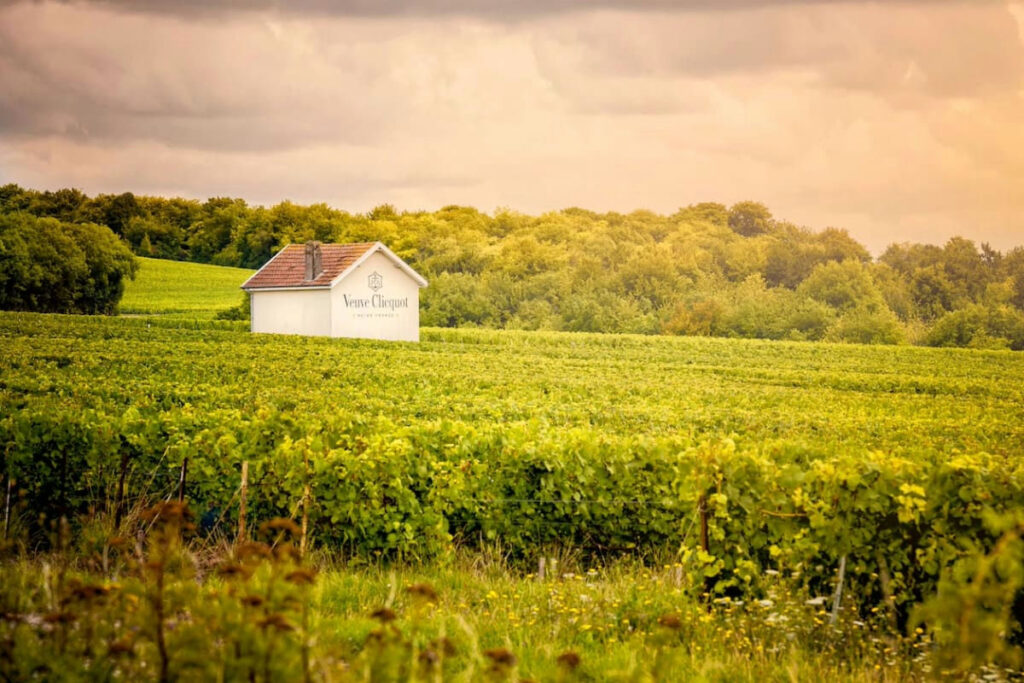
The rise of the great champagne houses is also linked to a long tradition of innovation. Whether in viticulture, marketing, or management, these houses have never ceased to push the boundaries of what was possible. Dom Pérignon was a pioneer in viticultural innovation with his improvements in blending grape varieties and the Champagne method. These techniques allowed producing finer and more durable champagne, setting industry standards. Moët & Chandon introduced the concept of the vintage in 1842, an innovation that made it possible to distinguish exceptional cuvées based on harvest years. This practice considerably raised quality expectations and contributed to the grand cru reputation of vintage champagnes. Madame Clicquot was a visionary in marketing. She invented the riddling table, a technique that clarifies champagne by removing the sediment. This process made champagne purer and more appealing, allowing Veuve Clicquot to dominate international markets with a superior and visually more pleasing product. The great houses have also invested in research and development to improve the sustainability of their vineyards. Today, practices such as sustainable and organic viticulture are common. Some houses, like Bollinger, even experiment with biodynamic innovations to produce better quality grapes while minimizing their environmental impact. In terms of management, the great houses have remained responsive to economic challenges and changes in consumption. They have modernized their logistical infrastructures, adopted advanced management technologies, and implemented sophisticated brand strategies to ensure their champagne remains relevant in a constantly evolving world.
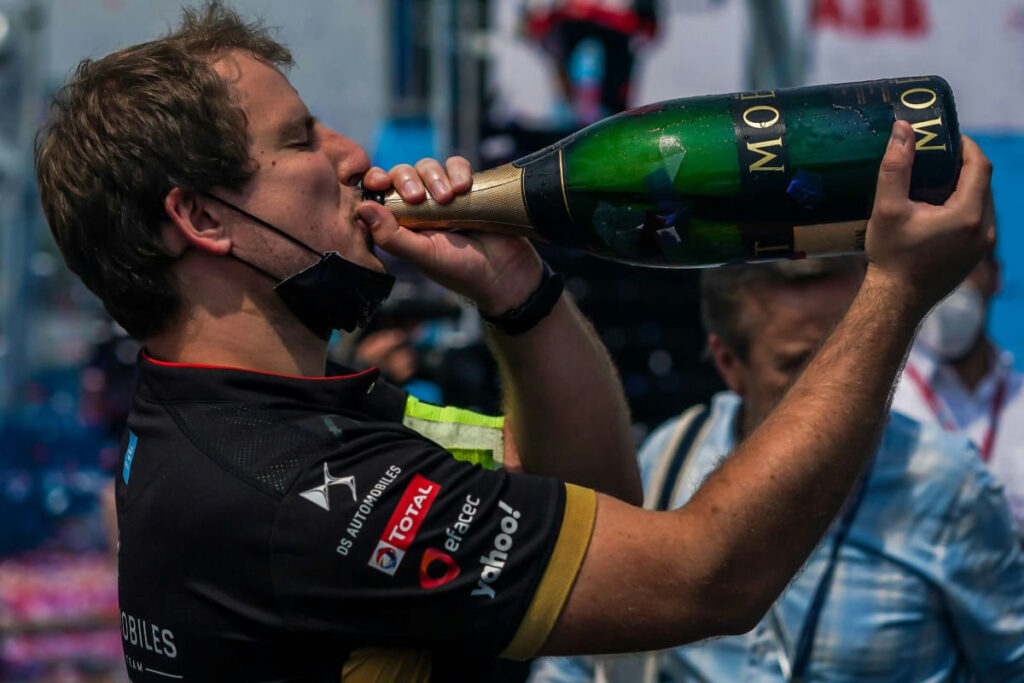
Over the centuries, the evolution of the great champagne houses has transcended mere wine production to transform champagne into a true symbol of luxury and celebration worldwide. Far from being just a bubbly drink, champagne today embodies a certain idea of refinement and prestige. This transformation was not accidental. It results from a skillful blend of tradition and modernity, which has allowed the great houses to capture the collective imagination. Through sophisticated advertising campaigns, appearances at prestigious events, and associations with celebrities and world elites, these brands have redefined the champagne experience. Moët & Chandon, for example, was one of the first to associate with prestigious events like the Oscars, thus consolidating its image as the drink of the stars. Veuve Clicquot, for its part, has maintained a strong presence in high-society social events, reinforcing the idea that its champagne is intended for exceptional moments. The impact of marketing and strategic associations with parties and celebrations has positioned champagne as an inseparable product from moments of joy and success. Whether for a wedding, a sports victory, or another great achievement, champagne has become the ultimate drink for celebration. Moreover, the impact of champagne is not limited to elite circles. Through varied product ranges, limited editions, and creative collaborations, these houses have succeeded in reaching a wider audience while maintaining an image of exclusivity. Champagne has thus become accessible without losing its mystique. By transforming champagne from a regional product into a global synonym for festivity and sophistication, the great houses have not only fortified their own brand but also helped elevate the profile of an entire industry.
The future of champagne seems as sparkling as its bubbles, thanks to modern consumption trends and the ongoing influence of the great houses. Today more than ever, the champagne houses find themselves at the crossroads between tradition and innovation. A striking trend is the rise of organic and biodynamic cuvées. As ecological awareness grows, consumers increasingly seek products that align with their values. The great champagne houses, aware of this demand, are experimenting and investing in more sustainable production methods without compromising the quality of their products. Premiumization is another notable trend. Champagne enthusiasts seek unique consumption experiences, prompting the houses to diversify their offerings. Limited editions, rare vintages, and collaborations with artists and designers maintain a high level of interest and offer standout products in the market. For example, Dom Pérignon collaborated with fashion house Balmain for a special edition, merging the worlds of champagne and haute couture. With the development of digital platforms, online sales and digital marketing have transformed how champagne houses interact with their customers. Virtual tastings and immersive brand experiences via augmented reality applications allow reaching a global audience while offering personalized interactions. Consumption moments are also evolving. Once reserved for grand celebrations, champagne consumption has become democratized to include more everyday and informal occasions. Contemporary marketing campaigns aim to demystify the idea that champagne is solely a luxury product for grand occasions, presenting it as an elegant choice for simpler and intimate moments. In demographic terms, younger generations play a key role in redefining expectations and consumption modes. Through targeted communication strategies and adapted products, the great champagne houses strive to capture this new audience, always in search of novelty and authentic experiences. As the world changes, the great champagne houses continue to innovate to stay in tune with the expectations of current and future consumers. Thanks to a combination of respect for traditions and adaptation to new trends, these icons of the French viticultural heritage seem ready to maintain their status as ambassadors of the French art of living.
Necessary cookies are absolutely essential for the website to function properly. This category only includes cookies that ensures basic functionalities and security features of the website. These cookies do not store any personal information.
Any cookies that may not be particularly necessary for the website to function and is used specifically to collect user personal data via analytics, ads, other embedded contents are termed as non-necessary cookies. It is mandatory to procure user consent prior to running these cookies on your website.